One of the things that should be included in an enriched classical education is art appreciation. Exposing children to beautiful art is a wonderful way to put their souls in touch with truth, beauty, and goodness. And art knows no age limitations; young children, teenagers, and adults can all enjoy art together. I loved the fact that the original curriculum I chose for my children included art appreciation and even art history for older children. What are some ways that we can include art appreciation in a classical education?
In this post, I have listed a few ways we can easily share beautiful art with children. These are ideas we can use for all ages, so that young children as well as parents and teachers can enjoy the same art together.
Art Prints
As I was educating my children, I came across the ideas of Charlotte Mason, a British educator who had a gentle approach to classical education and believed in enriching children’s lives with the best art, music, and literature. She advocated using art prints with children, allowing the children to spend some time each week observing a painting, perhaps even attempting to imitate it by making their own copy.
This method is easy to reproduce either in the classroom or with one’s own children and takes very little time. Some teachers follow this approach with a dedicated “Art of the Week” wall. And Memoria Press, for example, publishes a set of art prints for the lower grades with discussion suggestions for each print. They sell large art prints for a classroom wall as well as small prints so that each child can have his or her own set to hold, if desired. Children love to hold the art prints and pass them around, and they especially love to choose their favorites.

In my classroom of young children, we would sometimes make a craft that related to our art for that week, so one week, everyone painted a bowl of apples in honor of Van Gogh’s Still Life with Apples. Another time, we practiced our version of pointillism because we were learning about the artist who invented pointillism.
Charlotte Mason recommended spending longer than a week on each art print, and I would agree with her. You can easily buy a set of art prints and use them for two years, stretching them out a little longer. And you are welcome to take the same set and repeat them later with older children, as the selection of art is completely arbitrary and totally up to you. The same art was created to be enjoyed by all ages, and we are free to pick and choose what we believe would be best for a particular class or child. Children love familiarity and enjoy seeing their favorites over and over.
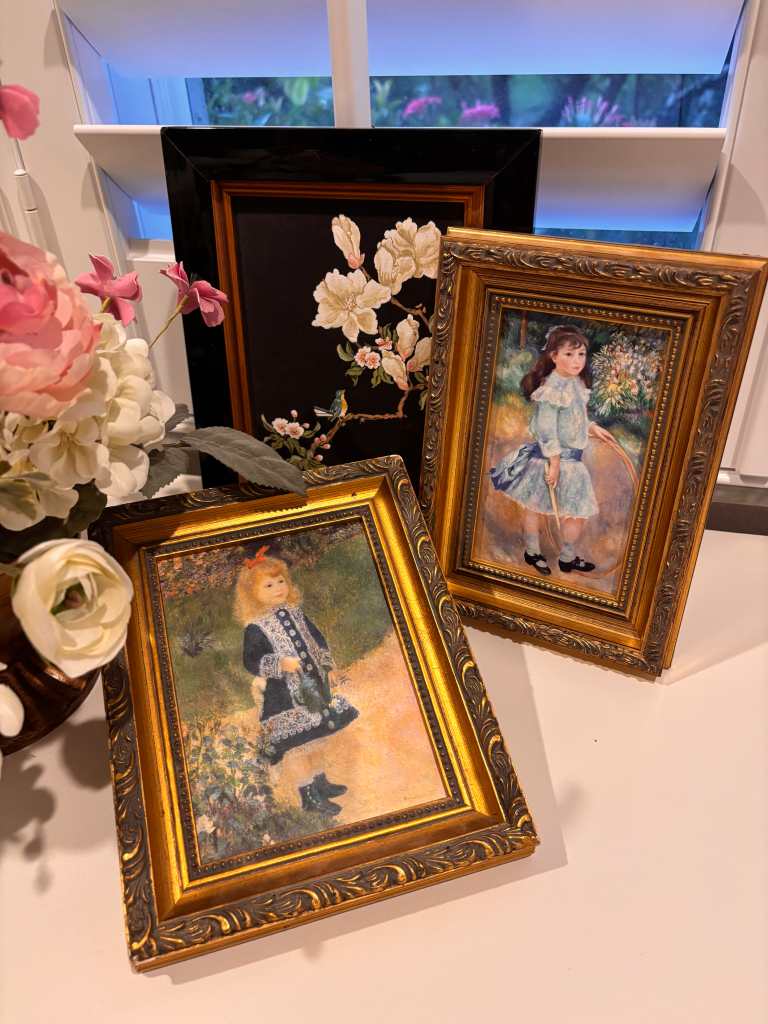
I used to hang framed art prints on my wall at home, and when my children saw the same prints in a book, they would get excited because they knew we had that same painting on our wall at home!
Integrating Art Prints into Other Subjects
As children grow older, art appreciation can even be integrated into history and literature. The Calvert 4th grade world history course included a set of art prints that correlated with many major events and people of world history. When children read about ancient Egypt, they would look at a photo of Nefertiti’s sculpture or a print of ancient Egyptian hieroglyphics. When learning about the Middle Ages, they would enjoy a print of the Sistine Madonna as well as Da Vinci’s The Last Supper; and they would be introduced to John Trumbull’s Signing the Declaration of Independence once they arrived at American history.
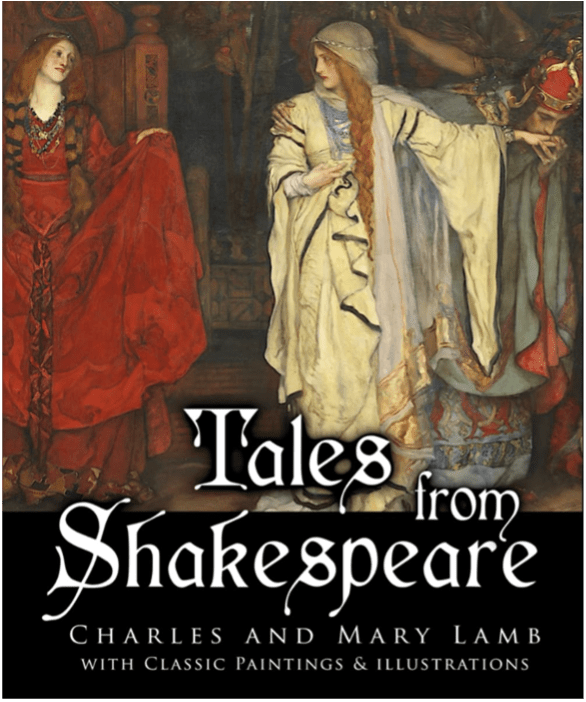
There are many works of art that correspond to literature as well; for example, quite a few artists have painted scenes or characters from Shakespeare. I recently bought a copy of Charles and Mary Lamb’s Tales from Shakespeare that includes numerous classic paintings corresponding to the plays in this volume. Any time you can find literature or history books that already include beautiful works of art, your children will benefit.
So don’t put away the art prints once children are in middle school or high school. Even adults benefit from them! Go ahead and post some of them in your classroom, perhaps some that go with the history or literature you are studying.
Please note that as an Amazon Associate, I earn from qualifying purchases.
Books About Artists
Enjoying art prints in the classroom or at home is only one way of acquainting children with beautiful art. Books about artists are another way to introduce children to art. Quite a few books about famous artists have been written for children, some for very young children that allow them to “touch” and “feel” the art. Here are a couple of examples, if you would like to look them up. (These are books for very young children).

Touch the Art: Make Van Gogh’s Bed
Touch the Art: Count Monet’s Lilies
Please note that as an Amazon Associate, I earn from qualifying purchases.
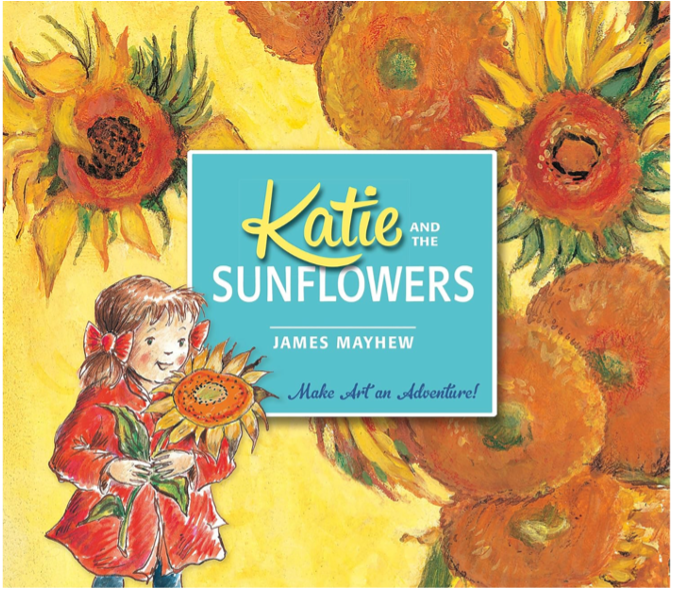
When my children were young, they loved the Katie series of books. I still have these books, as I’ve never been able to part with them. I’ve listed some of them below, if you would like to look them up. In the Katie books, Katie goes to the art museum with her grandmother and then hops right inside the paintings and runs around with the art characters while her grandmother dozes on the bench. After she finishes with her adventures, she and her grandmother go home together. These books are delightful, with beautiful illustrations, and children learn so much from them about famous artists and their art.
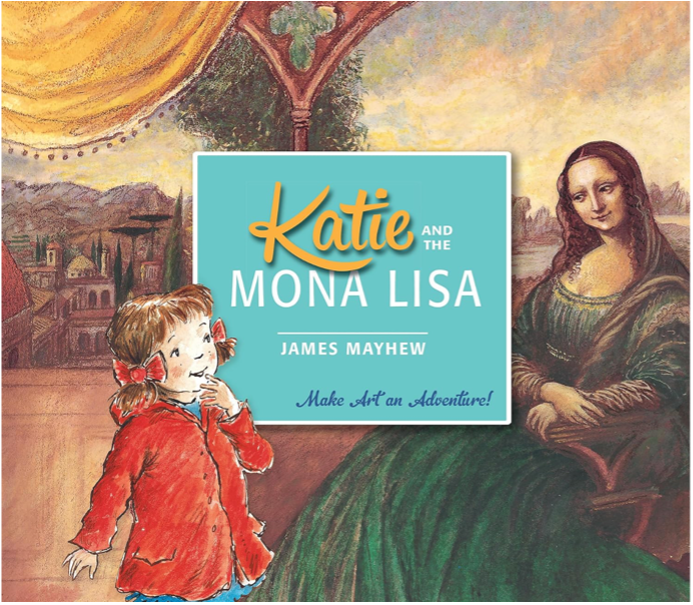

Katie and the Mona Lisa, by James Mayhew
Katie Meets the Impressionists, by James Mayhew
Katie and the Sunflowers, by James Mathew
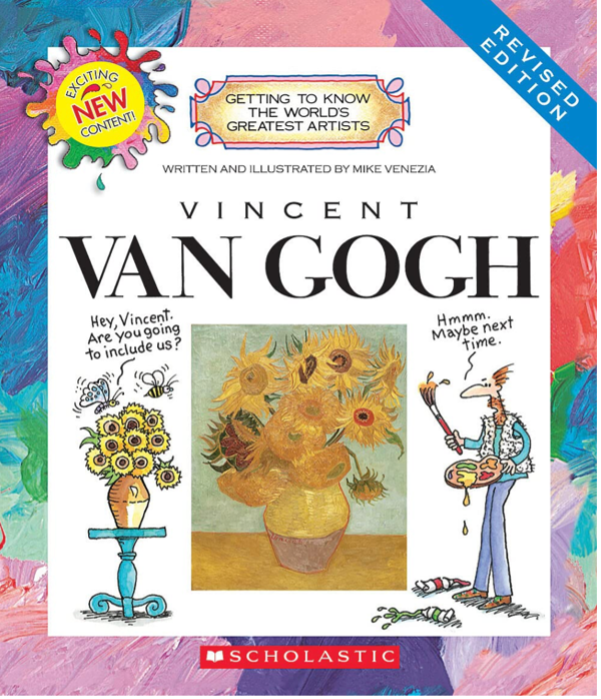
Older children (3rd – 6th grades) may enjoy the Getting to Know the World’s Greatest Artists series by Mike Venezia. His books are funny yet informative, and the reader tends to learn quite a lot about each artist. He includes information as well as cartoon commentary about each artist, along with examples of the artist’s work. My children loved these as well. I have listed a couple of them below:
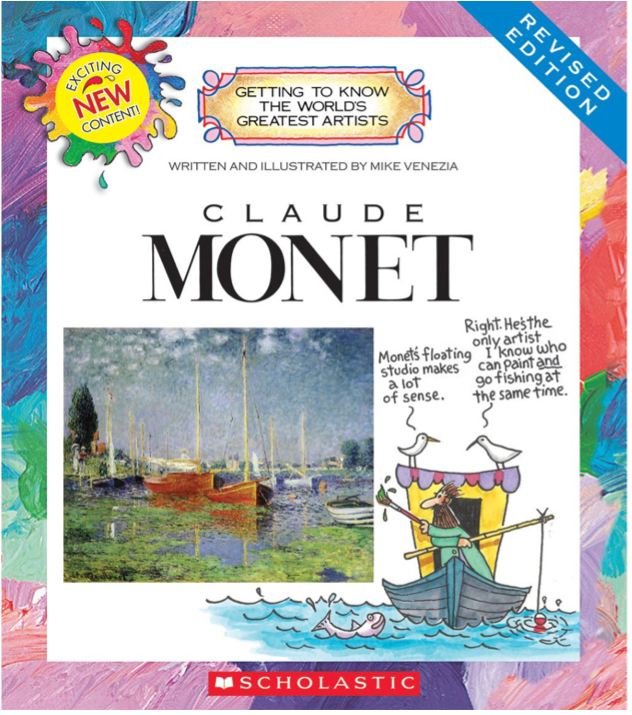
Claude Monet, by Mike Venezia
Vincent Van Gogh, by Mike Venezia
Please note that as an Amazon Associate, I earn from qualifying purchases.
Books about Art History
Art history is a little different from art appreciation. In art history, children learn about the progression through history of different types of art, and as a result, develop a deeper and more mature understanding of painting, sculpture, and architecture. We used some older books that were written by Vergil Hillyer, the first headmaster of Calvert School, called A Child’s History of Art. They were designed to be used in middle school, for 5th, 6th, and 7th graders – one for each grade. I’ve listed them here, just in case you’d like to look them up, as they are out of print – A Child’s History of Art: Painting; A Child’s History of Art: Sculpture; A Child’s History of Art: Architecture
We had so much fun with these books, learning about Greek columns in sculpture and flying buttresses in medieval architecture, and all kinds of things in between. However, there are many other books that can be used to teach art history, which you can find by perusing some of the classical Christian education catalogs.
Artist Books
This third method is similar to the first and second methods, but in this case, you can just buy an entire book full of art prints, either of a particular artist or maybe a school of art. You can enjoy the book as is or you can pull the pages that you want to use out of the book and put them in a separate notebook or mount them on poster board, essentially creating your own art prints. This method can be a great way to collect the art you like, and some of these books are quite inexpensive.
Remember, have fun as you and your children engage with beautiful art!
 Ancient & New